 You?
Three people at Furrow Institute, and one empty chair.
Economist, Farmer Payments · Furrow Institute · Nakuru or remote in Kenya · $65–85k
- Climate · soil carbon
- Development economics × Field experiments
- Closes 18 Dec
Meet the crew. There's a seat for you.
- You?This seatEconomist, Farmer Payments
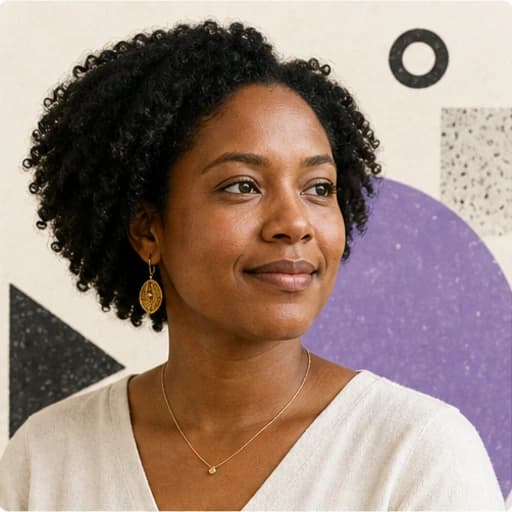
Amara Okafor · Farmer economics, your manager
“I’ve watched three carbon schemes promise farmers money. I want the one that actually pays them, and the only way to find it is to test.”
On a bad day: redraws the payment flow on the whiteboard from scratch.
A Thursday in Nakuru
An office day
- 08:30Read overnight M-Pesa payment logs
- 10:00Trial design session with Marcus
- 12:30Lunch with the field team
- 14:00Farmers’ group meeting in Subukia, with Ayo
- 16:30Draft the payment memo for funders
- 17:30Swahili lesson, paid by Furrow

Why this seat matters
“They tell us the carbon is worth money. Show me when it comes, and to whose phone.”
Esther Chebet, chair of a 40-farmer group, Subukia
A carbon payment that arrives two years late, or lands with a middleman, changes nothing on the farm.
Farmers who switch to cover crops store 1.8 tonnes of carbon per hectare a year, but for the first two seasons yields barely move and nobody pays them for the soil. Carbon buyers are ready to pay. Nobody has tested how.
This role designs the payment and tests it. Upfront or per tonne, to each farmer or to the group, by M-Pesa or at the co-op: you run the trial with 400 farmers, pre-registered, and publish what keeps them planting.
Where this role takes you
Furrow Institute's 2030 goal, and where the work is today
400farmers in the first payment trial
2% of the way to the goal20kfarmers paid for carbon by 2030
Week 1
You sit in on the groups.
Five farmers’ group meetings in Subukia and Njoro with Ayo. You ask how money arrives today, from crop sales, M-Pesa and chama savings, and who decides what to do with it.
With
5farmer groups in week one
Is this you?
If two or more of these sound like you, you're worth talking to, whatever your CV says.
- You’ve run a field experiment and stayed for the boring parts.
- You ask where the money actually lands before you ask how much.
- You can explain a randomised trial to a farmers’ group in ten minutes.
- You’d rather publish a payment that failed than roll out one nobody tested.
What life is like
- Mondays
- Lab meeting. Anyone can question anyone’s method, including the director’s.
- Each season
- Results day: farmers see the numbers before any paper does.
- Remote weeks
- Two weeks in four from anywhere in Kenya.
- Every year
- A null result party. One in three of our papers reports something that didn’t work.
What you'll do
- Design three ways to pay farmers for stored carbon
- Run a pre-registered trial with 400 farmers
- Track who keeps the practice, and why
- Explain the results to farmers, buyers and government
What you bring
- 4+ years in development or agricultural economics
- Ran, or helped run, a randomised field experiment
- Fluent in Stata, R or Python
- At ease in a farmers’ meeting, not only a seminar
- No soil science. Daniel’s team measures the carbon; you work out the money.
Your part in it
- DESIGN
- three ways to pay farmers for stored carbon: upfront, per tonne, or to the group.
- RUN
- the randomised trial by farmers’ group with Marcus, and pre-register it.
- PAY
- 400 farmers by M-Pesa after the long rains, on time.
- TRACK
- who keeps cover cropping, and why the others stop.
- EXPLAIN
- the results to farmers first, then to buyers and government.
What success looks like
- DAY 30
- you’ve sat in on five farmers’ group meetings in Subukia and Njoro with Ayo.
- DAY 60
- Amara, Marcus and the group chairs have picked apart your three payment designs.
- DAY 90
- the trial with 400 farmers is pre-registered and public.
What you’ll need
- 4+ years in development or agricultural economics
- Ran, or helped run, a randomised field experiment
- Fluent in Stata, R or Python
Nice to have, not required
- Experience paying people by mobile money
- Swahili. Furrow pays for lessons.
Where you’ll work
- OFFICE
- Nakuru, two weeks in four. Trial design with Marcus happens here.
- REMOTE
- The other two weeks, from anywhere in Kenya.
- FIELD
- Farmers’ group meetings in Subukia and Njoro. Travel paid in full.
- HOURS
- East Africa Time. Office days run 08:30–17:30.
Languages
| Language | Need | Why |
|---|---|---|
| English | Required | The lab’s working language, and every paper and funder memo. |
| Swahili | Nice to have | Most farmers’ group meetings. Furrow pays for lessons. |
The essentials
Economist, Farmer Payments · Furrow Institute
- Salary
- $65–85k
- Where
- Nakuru, or remote in Kenya
- Leave
- 30 days + Christmas week
- Travel
- Field visits paid in full
How you'll interview · about 3 weeks
- 1 · Chat with Amara
- 2 · Critique a payment design (paid)
- 3 · Meet the lab
- 4 · A farmers’ group meeting in Subukia
Your first stop
Subukia, at five farmers’ group meetings
Not ready to apply? Talk to Amara for 15 minutes.
No CV needed. Ask about the work, the people, or what a hard week looks like.